Against the Permanent Campaign
Governing is not campaigning, and the slow erasure of that distinction is the most dangerous bipartisan development of the last twenty years.
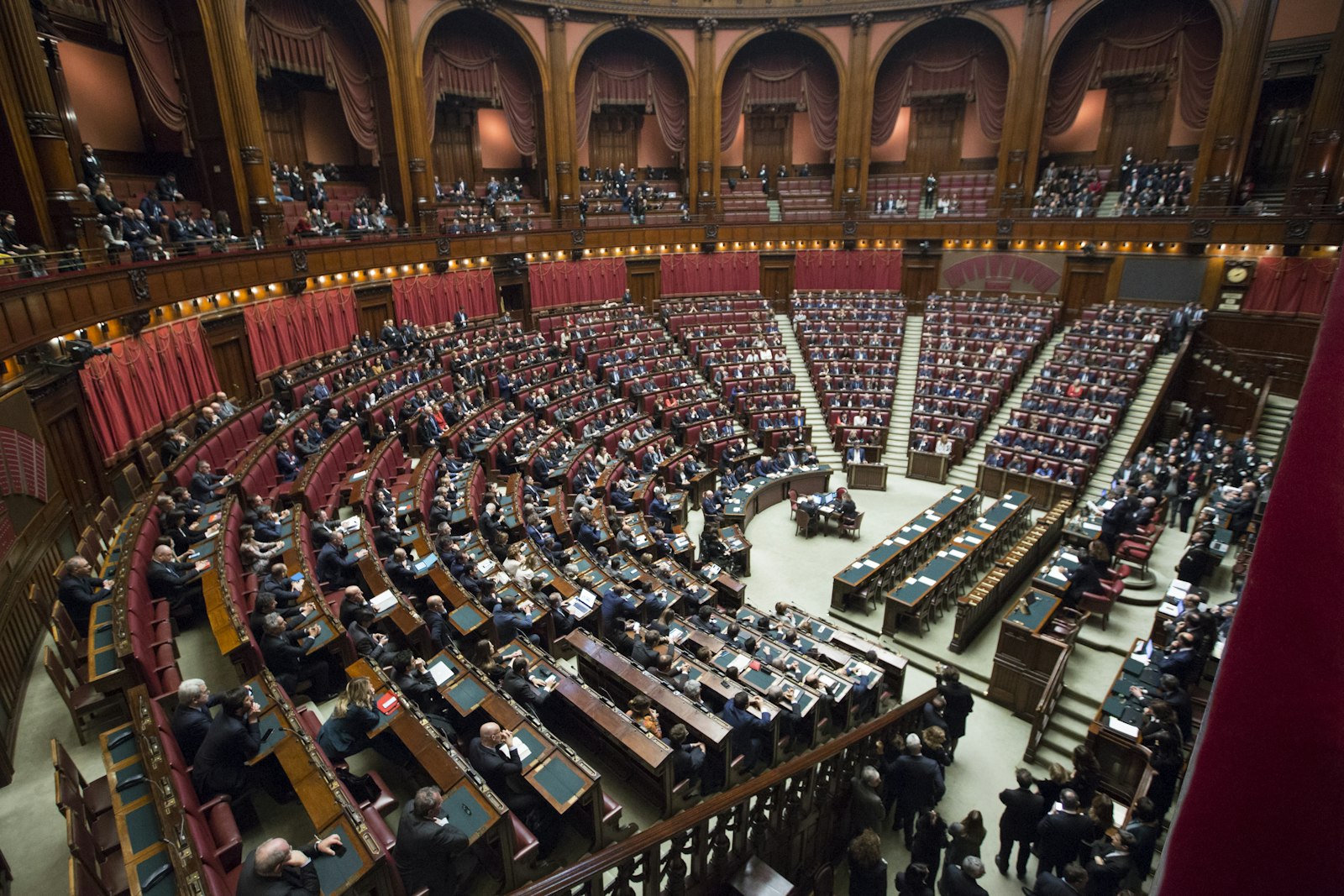
The phrase was Sidney Blumenthal's, intended descriptively. It has since become a job description.
A senator who spends six of every twelve months raising money cannot, in the meaningful sense, deliberate. A president whose communications shop is functionally indistinguishable from his reelection committee cannot, in the meaningful sense, govern. We have built a political class whose central activity is fundraising and whose secondary activity is rhetorical preparation for the next fundraising cycle.
The structural diagnosis
Some of this is technological. Small-dollar donor lists reward outrage in a way that the rubber-chicken circuit never did. Some of it is regulatory: the post-McCain–Feingold landscape pushed money into channels that operate on shorter half-lives than the institutions they fund.
But most of it, in the end, is cultural. We — the press, the donors, the activists, the voters — have come to expect a politician to be in continuous performance mode. We then act surprised when none of them legislate.
A modest proposal
Restore the four-year House term. End the practice of recess fundraising. Make federal officeholders disclose every fundraising solicitation they personally make. Move the primary calendar later. None of this is partisan. None of it would change the median policy outcome by much. All of it would give our elected officials room to think — a commodity in shorter supply, in Washington, than at any time since the Civil War.
Vanguard Opinion
The views expressed are the author's own. We welcome dissent: write us at letters@vanguard.example.